Design and CAD Modelling
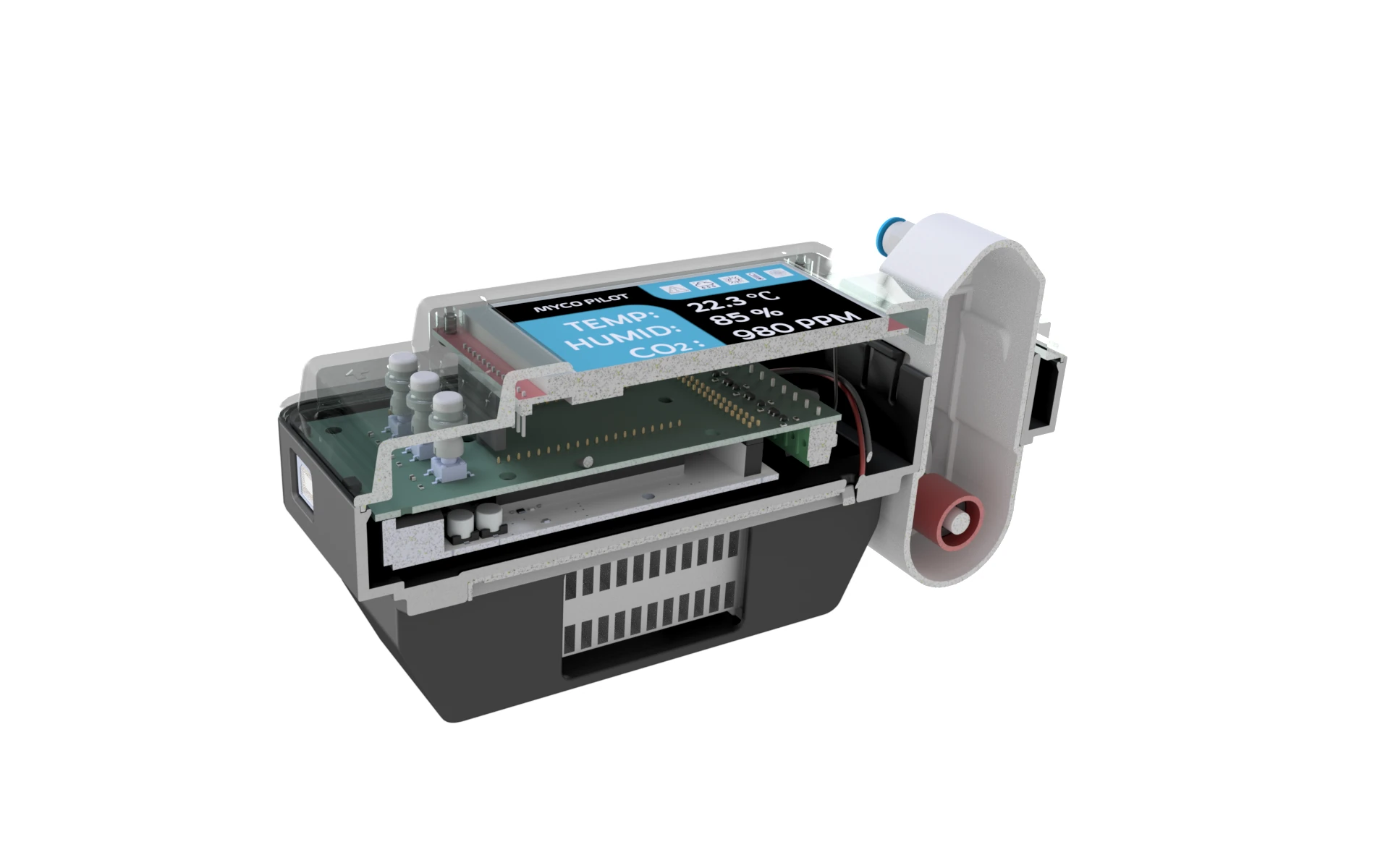
In my approach to the design process, the first priority is understanding exactly what you're looking for and where you currently stand in your product development journey. This initial review helps me clarify your goals and deliver exactly what you need. During this phase, I focus on identifying the device, machine or system's core purpose and use case, discuss any excess features that may complicate or drive up costs, or suggest missing elements that could enhance the product's functionality or appeal. I provide tailored recommendations aiming for a streamlined product that aligns your vision with your customer's needs.
I'll integrate with your existing systems when applicable, and when we're done, the raw CAD is always available for you to continue with as you continue to grow. I'm the one on the tools working for you, not a hired intern with a marked up rate.
Collaboration is essential, and during this phase, we also discuss any alternate disciplines or additional expertise that might be required. For example, depending on the complexity of the product, we might need to bring in a hardware engineer or an embedded systems specialist to handle specific technical aspects. My goal is to ensure that all necessary expertise is accounted for early in the design process, mitigating delays or surprises down the road.
Once we agree on project fundamentals, I move quickly into creating “stack-up models.” These mock-ups serve as a visual and functional representation of the product’s overall size, shape, and likely internal configurations. Stack-up models allow us to explore options and give you a tangible sense of what space is available to work with. They are invaluable for determining ergonomic and manufacturing considerations early on.
Simultaneously, I begin sketching possible aesthetics for the product. Aesthetics play a critical role in the success of any product, so we engage in an open dialogue about aesthetic goals. Whether you're aiming for sleek, modern minimalism, something more industrial and rugged, or matching an existing system for an OEM fit, we work together to find a balance that resonates with your brand and target market. By aligning on both form and function at this early stage, we ensure the product not only works well but will either stand out or fit seamlessly into its surroundings.
Although these steps may seem time-consuming, I've often been able to efficiently work through them and deliver a first functional prototype ready for market testing within just 40-50 hours—particularly when clients provide the necessary electrical hardware. Once this product is in the hands of real users, the feedback loop begins. Market testing provides critical insights into customer preferences and areas for improvement, allowing us to refine the design and better align the product with user needs.
This iterative, collaborative approach ensures the design process is efficient, customer-focused, and driven by real-world data.
Stop struggling and start selling
It’s ok if you’re just curious about your options. Let's start with a conversation, I'll give you an idea of expectations and provide you with a quote.